

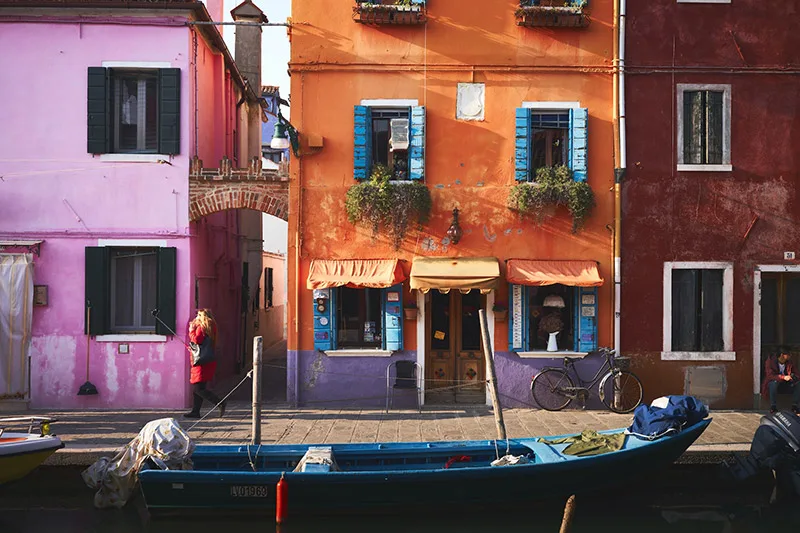
Americans are buying homes in Italy for dual purposes — as rental properties and vacation homes. Favorable exchange rates, a booming U.S. housing market, online international buying services, and Italy’s endless appeal to tourists have helped make vacation rentals in Europe the right financial and lifestyle choice.
Why Americans Are Looking to Italy for Vacation Rental Homes
And not just because Italy has something the U.S. market frequently does not:
- Affordability
- Flexibility
- Tenant demand
- A lifestyle upgrade
There is a better balance between personal fulfillment and financial upside in Italy, many Americans say — especially in the smaller cities and coastal towns where prices still lag well behind those of top U.S. markets.
How Are These Properties Being Used by Buyers for Lifestyle and Income?
An increasing number of U.S. buyers are now spending only part of the year in Italy, renting out their homes during peak seasons.
Case in point: Laurie DeRiu
- Sold her Connecticut rental
- Bought a three-bedroom apartment in Alghero, Sardinia, for €405,000 (~$440,800)
- Booked 70% of the summer in a matter of days
- Lives in Italy from November to May and in a rental during summer peaks
For buyers like DeRiu, Italy offers affordability and sunshine while still allowing them to continue earning income without being tethered to a year-round rental.
Where Americans Have Been Storing Their Money — and How They’ve Been Growing It
Many U.S. investors are focusing on emerging or less-exploited Italian regions, where prices are lower but rental demand is growing.
Lecce, Puglia
- Melina Manasse bought a one-bedroom for $278,000 in late 2024
- By March 2025, she was renting it out at $3,000 per month.
Lake Iseo region
- Kelly Beigle and Boris Krstevski purchased a €103,000 fixer-upper.
- Renovated and scheduled operations for rent without any mortgage support
Even though Italy’s real estate markets are highly local and mercurial, nothing is more tantalizing than direct access to its more market-driven neighbors.
Is It Really Easier to Buy Property in Italy Right Now?
Yes — significantly.
Why?
- Companies such as Italian Real Estate Lawyers assist foreigners through the legal and bureaucratic process.
- Buyers in the U.S. and Canada were up ~15% in 2024, driven by simplified workflows.
- A robust U.S. dollar — often hugging or exceeding parity versus the euro — increases purchasing power.
Real estate in Italy, particularly in rural and southern areas, often remains more affordable, even amid rising Italian property prices.
For a growing number of Americans, purchasing abroad now seems less risky and more financially viable than buying something comparable in the United States.
Can You Rent a House Year-Round in Italy?
Absolutely.
Italy’s varied climate and cultural calendar provide year-round demand beyond the summer months.
Popular off-season drivers include:
- Venice Carnival
- Christmas markets
- Fall food & wine festivals in Piedmont and Emilia-Romagna.
- Ski tourism in the Dolomites
- Early spring southern beach season
This year-round appeal can create a more stable income for short-term rental owners.
Why Does This Trend Matter?
A shift in the American Dream
Rather than investing only in domestic real estate, more Americans are building a hybrid life — earning rental income overseas and benefiting from long-term travel and lower living costs.
New chances in forgotten corners of Italy
Cities and towns in Calabria, Abruzzo, and Puglia are luring buyers who value affordable homes, genuine cuisine, and the prospect of living close to the Mediterranean.
Economic and cultural impact
The trend drives renovation, tourism spending, and economic activity in local communities — but it can also put pressure on traditional housing markets.