




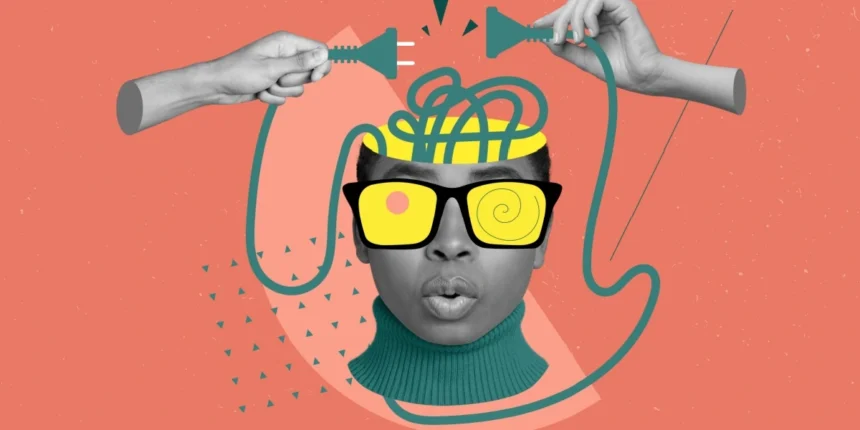
An increasing number of Silicon Valley executives — from Steve Jobs to Sam Altman, a founder and the president of Y Combinator — say that psychedelics have helped boost creativity, reduce stress, or change behavior. Some welcome such experiences in the pursuit of personal insight and innovation. In contrast, others shun them altogether, underscoring an ongoing debate among the tech elite about cognition, mental health, and performance.
Why Tech Leaders Are Pumping the Brakes on Psychedelics
Because traditional problem-solving tools aren’t always the keys to unlocking breakthrough thinking, many would argue.
For some, psychedelics offer a means to dive into deeper forms of:
- Self-reflection
- Emotional clarity
- New creative frames
Others avoid them, seeking to maintain mental sharpness.



This divide mirrors the ongoing tension in Silicon Valley between experimentation and discipline.
How Big Was the Likelihood for LSD to Guide Steve Jobs’ Creative Vision?
It “changed everything,” Jobs said.

Steve Jobs’ perspective
- Jobs took LSD 10 to 15 times in the early 1970s.
- He later called it “one of the most important things” he had ever done.
- He said psychedelics helped shape his worldview, prioritizing:
- Simplicity
- Human connection
- Innovative thinking
- Purpose over profit
Many say this ethos became part of Apple’s design culture.
What Were Psychedelics’ Effects on Sam Altman’s Mental Health?
For Altman, survival was more important than being innovative.
A retreat that changed everything
Altman has talked about a guided psychedelic retreat in Mexico — a “breakthrough” experience that lifted long-term anxiety.
He said it transformed his inner narrative, making him:
- Calmer
- More self-aware
Backing the science
Since then, Altman has invested in therapeutic psychedelic startups such as Journey Colab, signaling tech’s rising interest in regulated psychedelic medicine.
What About Sergey Brin and Venture Funding?
There are unconfirmed reports that Sergey Brin has experimented with psilocybin.
Regardless, he has emerged as a quiet but significant funder of psychedelic research.
Investment channels
Brin has supported ventures like Catalyst4, backing clinical trials targeting:
- Depression
- PTSD
- Addiction
- End-of-life anxiety
His involvement reflects the Silicon Valley instinct: if a frontier looks promising, fund it.
Bill Gates Experimented, Too — Did Bill Gates Try Psychedelics as Well?
Yes — but at a separate time and in a different context.
Gates has said he tried LSD in college and described the experience as “cosmic.”
He once joked that he felt like his brain was “deleting memory” the way a computer would.
His interest came from curiosity, not wellness — a glimpse into how a young innovator explored consciousness long before today’s mental-health conversations.
Why Didn’t Demis Hassabis Try Psychedelics at All?
Demis Hassabis, CEO of DeepMind, is the outlier.
His reasoning
Hassabis said he avoided psychedelics because he feared losing:
- Mental sharpness
- Cognitive focus at the highest level
Instead, he invested his curiosity in:
- Neuroscience research
- Modeling human cognition
- Strategy gaming
- Building AI systems
For him, insight came from scientific inquiry — not altered states.
What Does This Say About the Culture of Silicon Valley?
Creativity — and introspection — are becoming cool
Many pioneers say psychedelics helped them explore new mental frameworks or personal meaning.
Psychedelic medicine is entering a regulated era.
Executives and investors are funding research into FDA-approved treatments for:
- Anxiety
- Depression
- Trauma
Not everyone agrees
Hassabis and others show that skepticism remains strong.
Some value control and scientific rigor over subjective experience.
A more serious conversation about cognition and innovation
The divide raises more profound questions in tech:
- What truly enhances creativity?
- What risks are acceptable?
- Is innovation driven more by introspection — or discipline?