

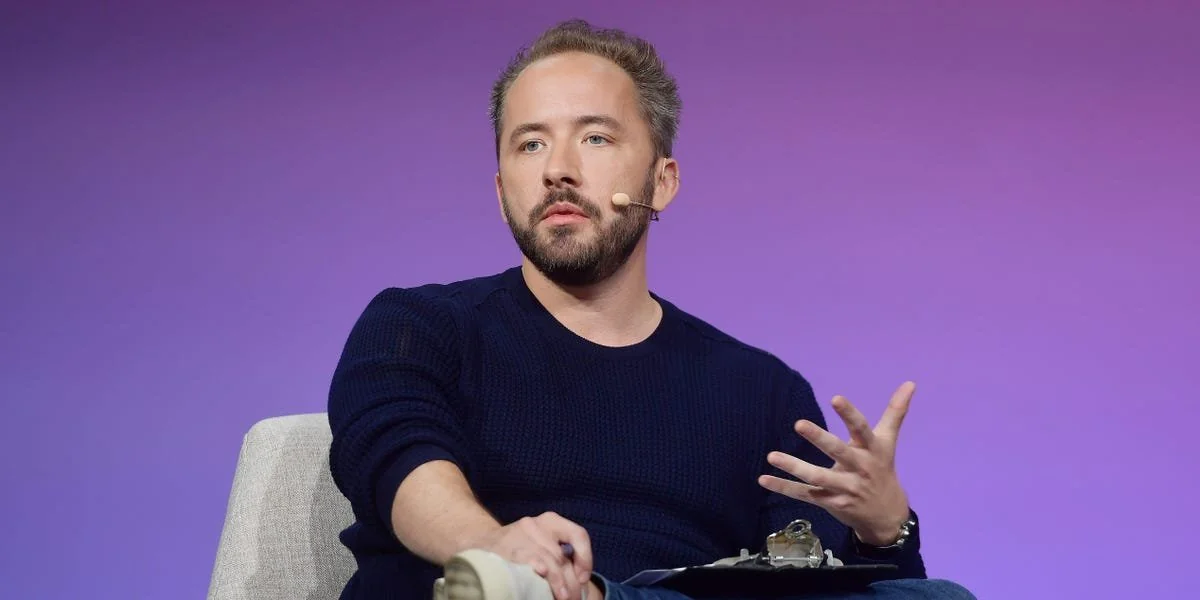
At a time when the working world is embroiled in an era of hybrid debates, return-to-office mandates and changing employee expectations, Dropbox CEO Drew Houston has been one of Silicon Valley’s most vocal proponents. He didn’t mince words in a recent interview when speaking about the current wave of companies dragging employees back into physical office spaces: “It’s dumb.”
His critique is about more than convenience but how work is changing, what motivates top-shelf talent and why traditional office arrangements may not necessarily serve either innovation or productivity.
How the RTO Mandate Grew … and Frayed
As the virus has forced much of the world to adopt work from home in a wholesale way, companies spent much of last year — and will probably spend this one as well — trying out virtual collaboration, asynchronous communication and digital workflows. But there was a clear turning point, in 2024 and 2025. Big companies began implementing mandates for in-office attendance, expressing worries about culture, productivity and accountability.
Houston, though, sees this as a failed attempt to make the past look like a present that no longer applies. Bluntly put, he compared the traditional office model to relics like malls and movie theaters — once essential part of everyday life, now symbols of an era that tech has left behind.
Why Houston Thinks Offices Don’t Help Productivity Anymore
The Dropbox CEO makes the case that it makes no sense to force employees back into offices in service of face time. “If we’re all just coming to the office to get on Zoom all day,” he said, “we should think about what we are doing.”
From his perspective, the whole point of work is not presence; it’s results, ideas and engagement. The best work environments, he says, they focus on making the talent thrive rather than in dictating where and how they should work. The approach is personified in Dropbox’s own hybrid plan of action, whereby (many) employees decide for themselves how best to wield control over their time spent at work, with the very offices serving as less fixed habitations and more like hubs where collaboration can originate.
The Mall Metaphor: Offices at a Podskrossing
Houston’s analogy of the modern office with malls and movie theaters is not just an aesthetic one; it’s about relevance. Just as retail and entertainment are changing to stay relevant, workspaces must change, or die. Lines of static desks with schedules are no longer bringing us together — especially not to digital-first generations who want flexibility, trust and purpose.
Firms that insist on sticking to old models increasingly risk losing the best talent, particularly among younger professionals who want their work to fit them rather than the other way around.
Keeping stars in the era of autonomy
One of Houston’s main points is that flexibility is a competitive advantage. Companies that are stuck in old-school structures may have trouble attracting or keeping top talent in the modern world, where skilled professionals have an increasing number of options.
At the institutional level, rather than monitoring productivity through time in a chair, Houston is an advocate of systems that reward ideas and initiative and results. His approach reflects a broadening attitude among forward-thinking companies — trust your people, provide them with the tools they need and focus on outcomes rather than optics.
It’s On Purpose, Not By Accident
Houston doesn’t want to see the death of those physical spaces, necessarily, but he does believe they need to evolve. Offices should be places for intentional gathering; they should support collaboration, ideation and relationship building. Not daily commutes, not performative productivity.
This vision maps to larger trends in the tech and startup worlds, where flexibility, excitement for asynchronous work processes, and digital-first practices are becoming increasingly common. It’s not about detaching from connections in real life; it’s about redefining when and why they occur.
Final Thoughts
Drew Houston’s perspective serves as a powerful reminder that the workplace of the future isn’t something that we return to, it’s something that we reimagine. Those who cling to the models of the past may find themselves erecting monuments to obsolescence, while those who listen and adapt will forge the future of work.
As the debate about returning to the office rages on, Houston has a blunt message: Productivity doesn’t wear a badge or swipe a card it creates value where it’s done.