

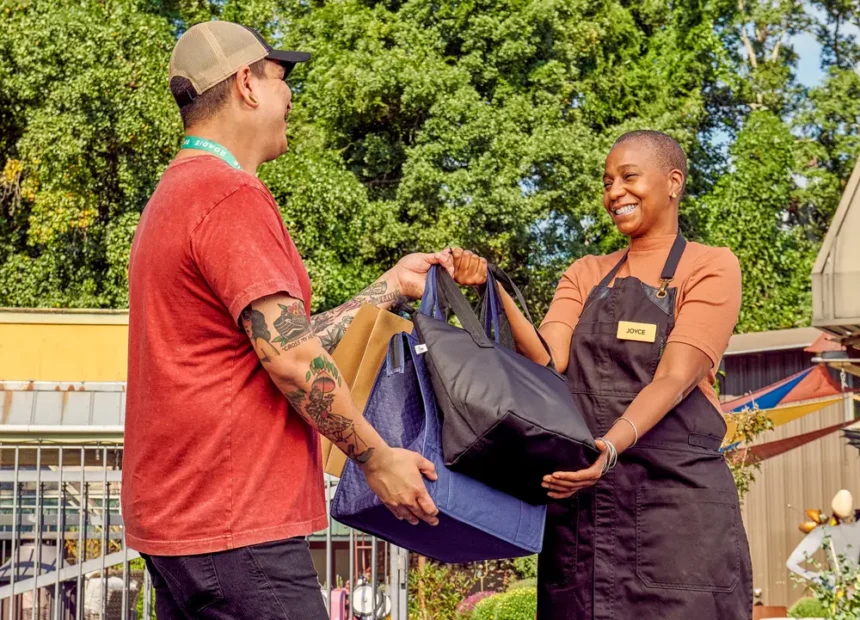
And as the gig economy has expanded, so have its dark sides. Among the most recent of these is identity theft, which a new report this week suggests has been on the rise in delivery apps such as UPS-owned Roadie, with impersonators increasingly hijacking other people’s accounts to take on delivery work.
Gig platforms have transformed the nature of work and how workers make their money, but they also bring with them challenges relating to security, accountability and trust. And in Roadie’s circumstances the issue of fake delivery drivers poses a risk for not only customers and businesses, but also gig workers.
What Is Roadie, and Why Should You Care?
Roadie matches people and companies that need items shipped locally or long-distance with drivers who can deliver them. It offers fast, easy service and there is often same-day delivery for items like luggage, electronics, packages — even musical instruments.
While it’s not as buttoned-up as other courier services, Roadie draws on independent contractors gig workers who use personal vehicles and smartphones to complete deliveries. But such an approach to decentralization, while efficient, leaves security holes.
Drivers are not full-time employees, and they are regularly brought onto the platform here with unusual speed, which makes it easier for people to avoid ID checks or share login information — even if such things aren’t to be done according to company rules.
The Era of Sharing Accounts and Identity Fraud
More than one Roadie user has reported scary experiences: people arriving to pick up deliveries who don’t look like the name or photo in the app. These impersonators hardly ever can can offer any serious proof. And it poses safety risks to consumers. And for businesses looking to Roadie it undercuts faith in the professionalism and dependability of the service they’re using.
Many deliveries have been delayed or lost altogether. Others have been passed along with no process of identity verification. While Roadie has its own systems in place to flag suspicious behavior internally, it seems claims of gig-worker impersonation are on the rise — and not just on Roadie.
Why It’s Happening
So what’s driving the rise of fake drivers anyway? Experts suggest several factors:
- Low onboarding barriers: Gig platforms often encourage speedy sign-ups at the expense of security checks.
- Unauthorized circumventions: Those who do not pass background checks may be willing to pay someone else to make or “hire” verified accounts.
- Loopholes: Even where A.B.C. accounts may be against policy, enforcement is often spotty or slow.
- Tough competition: When there are more gig workers than gigs, and some individuals sharpen their edges to keep at it.
This is particularly frustrating for gig workers who are doing their best to play by the rules. It dilutes their brand and puts their revenue at risk when platforms are branded as bad actors for regulatory reasons.
The Human Cost
One such authenticated Roadie driver explained how his account got suspended for some days when a scammer faked the same name and other information as him. “I’d done everything right,” he said, “and someone else using my photo and my license cost me days of lost work.” It all points out how gig workers themselves are prey for fraud, not just the customers.
For many drivers, gig work is their primary or supplemental wage. Fraud at these gig platforms results in platform distrust, with honest workers footing the bill through reduced availability of gigs, decreased customer satisfaction from less reliable service quality and platform sanctions.
What Can Be Done?
“Services like Roadie might consider changing their security protocols,” said the experts, including:
- For setting up account- either physical or video verification required.
- Live biometric or facial ID scan at the time of delivery
- Device and location monitoring: You can detect account abuse
- Expeditious punishments to violators of identity regulations
Customers and businesses using delivery apps should also verify the driver, and report suspicious activity immediately.
Gig work provides flexibility and opportunity, but without the right protections it can also be an avenue for exploitation and fraud. The Roadie copycat episodes are just the latest growing pains in an industry that now delivers millions every day.
And as the gig economy comes of age, platforms must find a balance between speed and safety, freedom and responsibility. Failing that, the confidence upon which every delivery of a strumless guitar to an urgent document is based can disappear in the hands of someone who was never supposed to be on the road in the first place.