







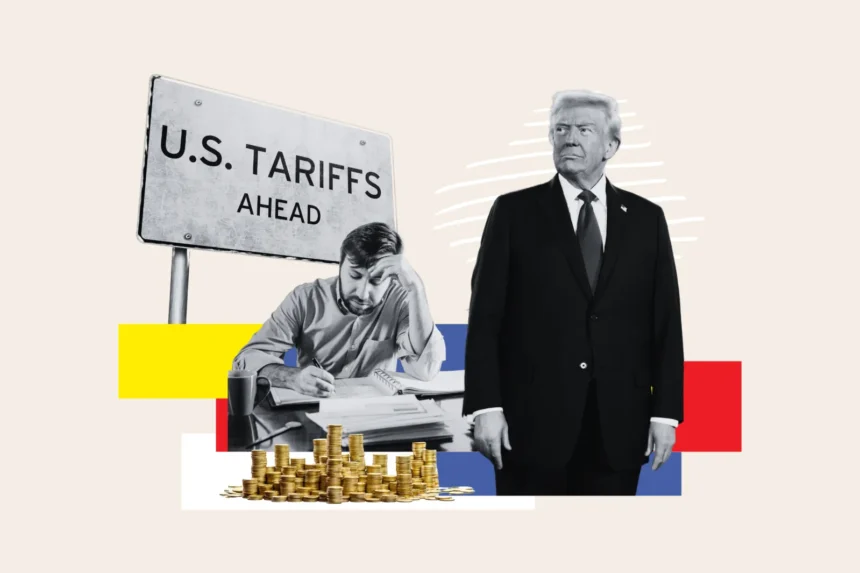
A fresh batch of Trump-era tariffs, known as “Liberation Day” tariffs, has caught U.S. small businesses by surprise with unexpected costs, supply-chain disruptions, and abrupt import taxes. Many companies say the uncertainty is as much a threat as the tariffs themselves, leading them to consider layoffs, factory closures, and legal challenges to the government’s use of emergency powers.
Why Are Trump-Era Tariffs Slamming Small Businesses So Hard?
Small businesses operate on narrow margins; they depend heavily on the predictability of pricing.
The sudden imposition of layered tariffs on steel, aluminum, and a wide range of Chinese imports has made planning, buying, and bidding nearly impossible.
What does that uncertainty look like in real time?
Beatrice Barba, who owns a small business, says the frequent changes make it impossible to budget or plan:
Read next



“Uncertainty is just as bad as the tariffs themselves.”
Businesses across several districts report:
- Cutting back on hiring
- Delaying investments
- Building inventory in advance of future tariff increases
- Paying up-and-down fees on a shipment-by-shipment basis
“And the uncertainty is causing a place where long-term planning feels impossible.”



Which Small Businesses Are Getting Hit the Hardest?
Import-Dependent Retailers
Particularly hard-hit are companies that rely on foreign goods.
- VOS Selections, a wine importer in New York, lost 16% of its revenue in the first quarter when tariffs were put into place.
- Owner Victor Schwartz challenged the tariffs by suing, arguing they exceed the president’s emergency war-crimes powers.
Niche Retail & Fashion Brands
A few small brands have been forced out of the American market altogether.
- The Tote Library, a luxury tote company, faced a 145% tariff on its Chinese-produced bags.
- Sales in the United States cratered overnight, and the business scrambled into European markets where supply-chain costs are more predictable.
Manufacturers Using Foreign Components
Even companies that assemble goods in the United States still depend on parts shipped from abroad — and suffer a wave of costs when tariffs “stack” on top of one another.
For smaller manufacturers, these new costs can erase profit margins in a single quarter.

What Does It Mean for Consumers?
Directly and unexpectedly.
In an era of growing protectionism, the rapid accumulation of tariffs by multiple branches of government — called stacking — has led to surprise import bills for online shoppers.
How are customers shocked at fees?
New tariffs tend to just show up:
- Only after delivery
- Without clear labeling
- Without upfront disclosure at checkout
This “fog of trade war” has generated:
- Confusion over true costs
- Loss of confidence in online shopping
- Hesitancy to buy internationally
Retailers also report a sharp increase in customer service disputes as buyers struggle to contest unexpected charges.
Are Businesses Taking Legal Action?
Yes — many are.
Dozens of small firms, as well as industry groups and legal organizations, are challenging the president’s ability to impose tariffs under emergency powers.
Main flash points in the legal fight:
The lawsuits claim that tariffs imposed under expansive emergency authorities breach constitutional checks and balances.
Among the plaintiffs are wine importers, educational toy makers, and other small businesses, especially struck by tariff increases.
The U.S. Supreme Court is about to decide whether actions like this are legal.
The Court’s intervention could profoundly transform how the U.S. government administers trade policy, especially if it curtails emergency tariff powers.
Why It Matters for the Overall Economy
Small businesses lack buffers
Big firms can absorb shocks. Small companies cannot.
Even temporary tariff increases can result in:
- Layoffs
- Store closures
- Higher consumer prices
- Reduced investment in growth
Consumers face unpredictable costs.
A lack of transparency reduces trust in online shopping and can deter spending on non-essential items.
Legal and political challenges to trade policy
The Supreme Court’s eventual decision could establish a precedent for generations, deciding:
- How future presidents might use emergency tariff authority
- Whether Congress must approve wide-ranging trade actions
- The stability — or unpredictability — of future trade policy