




Leading chief executives are starkly divided on what business life should really look like, between the old “all-in” grind made famous (or notorious) by practitioners such as Elon Musk and Mark Cuban, and a more gospel–of–work–life–harmony preached by champions such as Jeff Bezos and Arianna Huffington. Their opposing perspectives have helped shape modern workplace culture — and how people define success today.
Why It’s So Hard for Leaders to Discuss Work–Life Balance
Because “success” means wildly different things to different executives.
Some think that greatness requires us to leave, give up, and pour out. Still others insist that the accurate measure is well-being and personal integration over time. This is a tension that plays out on a much larger cultural stage — across our workplaces, practically the world over.
What Is the “All-In” Mindset?
It is the idea that peak performance requires absolute devotion — even if it means sacrificing one’s personal life.
Read next



What do these leaders say?
- Mark Cuban makes the case that traditional balance is unattainable:
“If you want to dominate the game … somebody down there serving 24 hours is going to kick your ass.” - Elon Musk is famous for high expectations, long hours, and discouraging remote work (particularly at Tesla and SpaceX).
- Jack Ma, the Alibaba founder, famously eulogized the 9-9-6 work schedule — shorthand for working from 9 a.m. to 9 p.m. six days a week — as a blessing for those who love their work.
What motivates this philosophy?
All-in leaders see competition as brutal.
For them, extreme focus is the edge.
What Is the “Work–Life Harmony” Method?
This view is against strict balance and advocates synthesis.



Who champions this view?
- Jeff Bezos says he doesn’t believe in “balance,” preferring the word “harmony,” arguing that personal happiness at home feeds work success (and vice versa).
- Satya Nadella has similar views regarding professional and personal fulfillment as interdependent.
- Arianna Huffington champions wellbeing and rest, often saying performance increases when we are grounded.
- Thasunda Brown Duckett (CEO, TIAA) talks about a “portfolio” of life; every role merits evident attention at the appropriate time.
What drives this philosophy?
They insist that sustainable performance demands energy, satisfaction, and emotional vitality — not depletion.
Is There a Middle Ground?
Yes, and so do many leaders.
A few executives recognize the necessity of hard work but focus more on meaning and relationships:
- Leon Cooperman says passion and human connection matter more than the nonstop grind.
- From one extreme, these views shift: At the start of a career, former Google CEO Eric Schmidt waved off balance as “contradictory” — but has since adopted a more nuanced view of long-term wellbeing.
This middle ground respects work but pushes back against burnout culture.

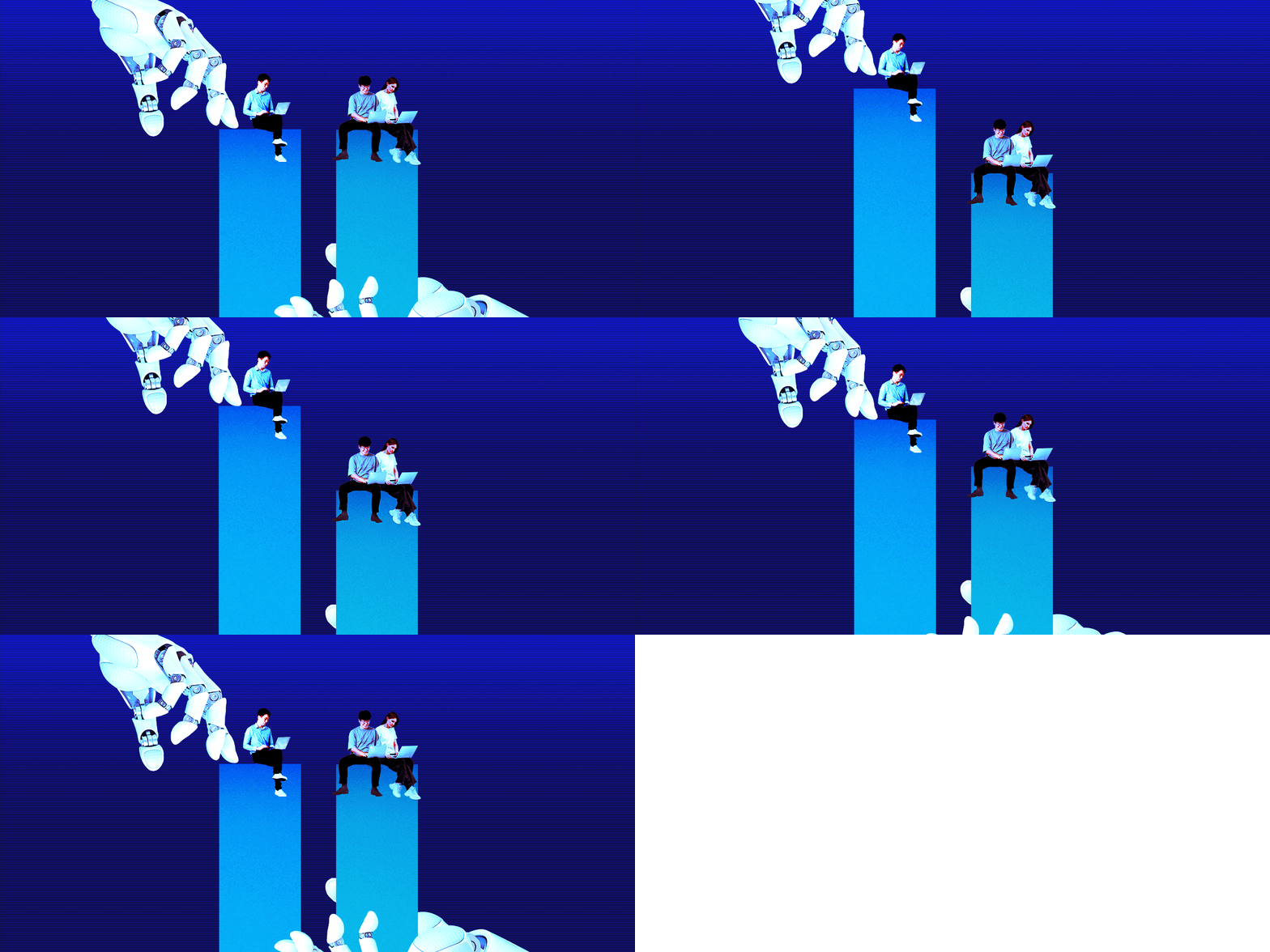
Why Does This Debate Matter?
It shapes workplace expectations.
Companies often mirror their leaders.
A CEO who insists on nonstop hustle offers a different working environment than one who prizes flexibility and well-being.
It influences company culture worldwide.
The split between “grind culture” and “harmony culture” speaks to broader discussions about mental health, equity, and the future of work.
It affects individuals’ choices.
No single philosophy fits everyone.
The discussion asks practitioners to reflect on whether they thrive in intensity, champion integration, or fall somewhere between the two.